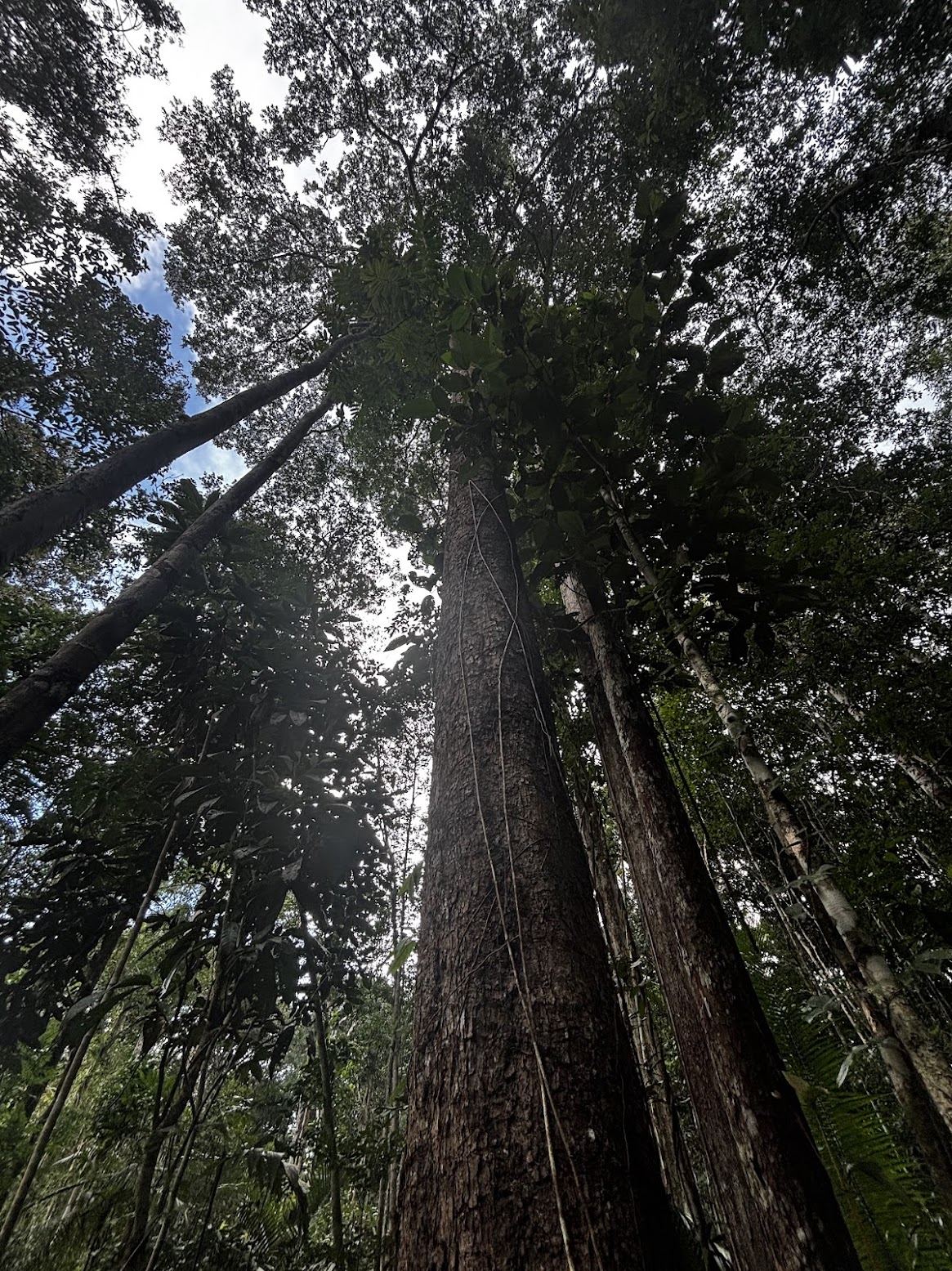
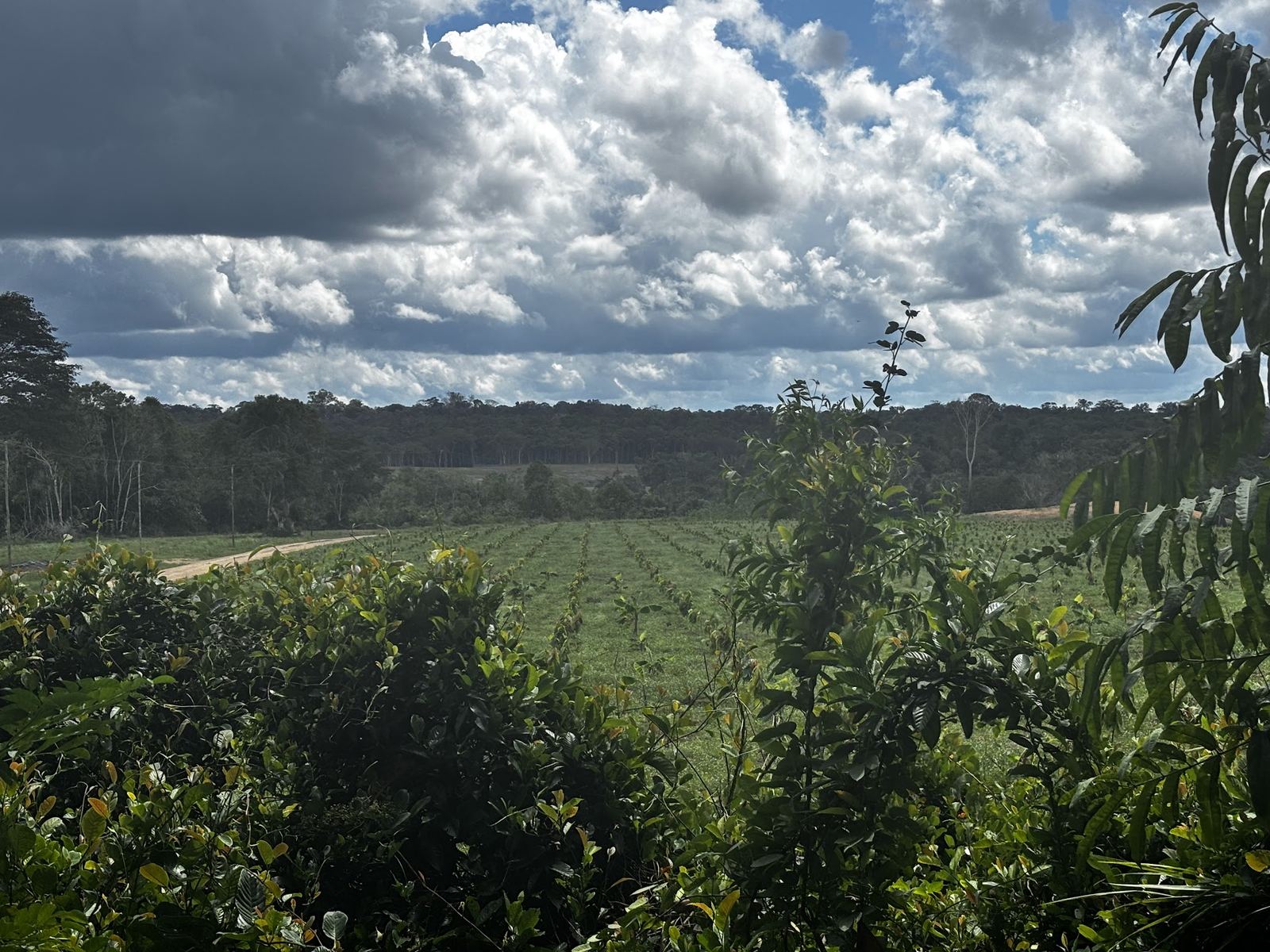
CO2BRA is a regenerative bioeconomy and forest-carbon program combining native-species agroforestry, forest conservation and internationally certified carbon credits — across a 3,500-hectare project area, including preserved standing forest.
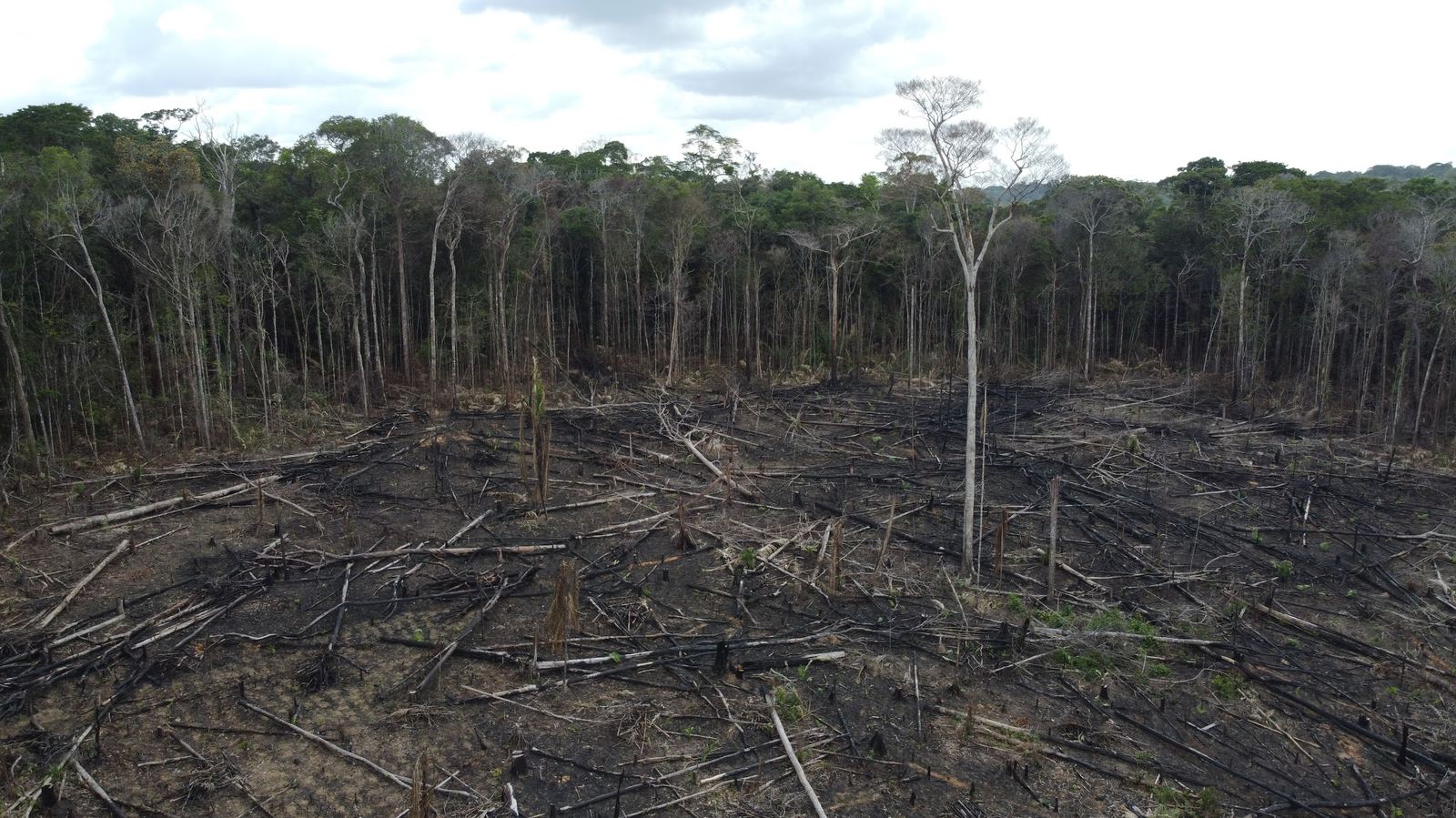
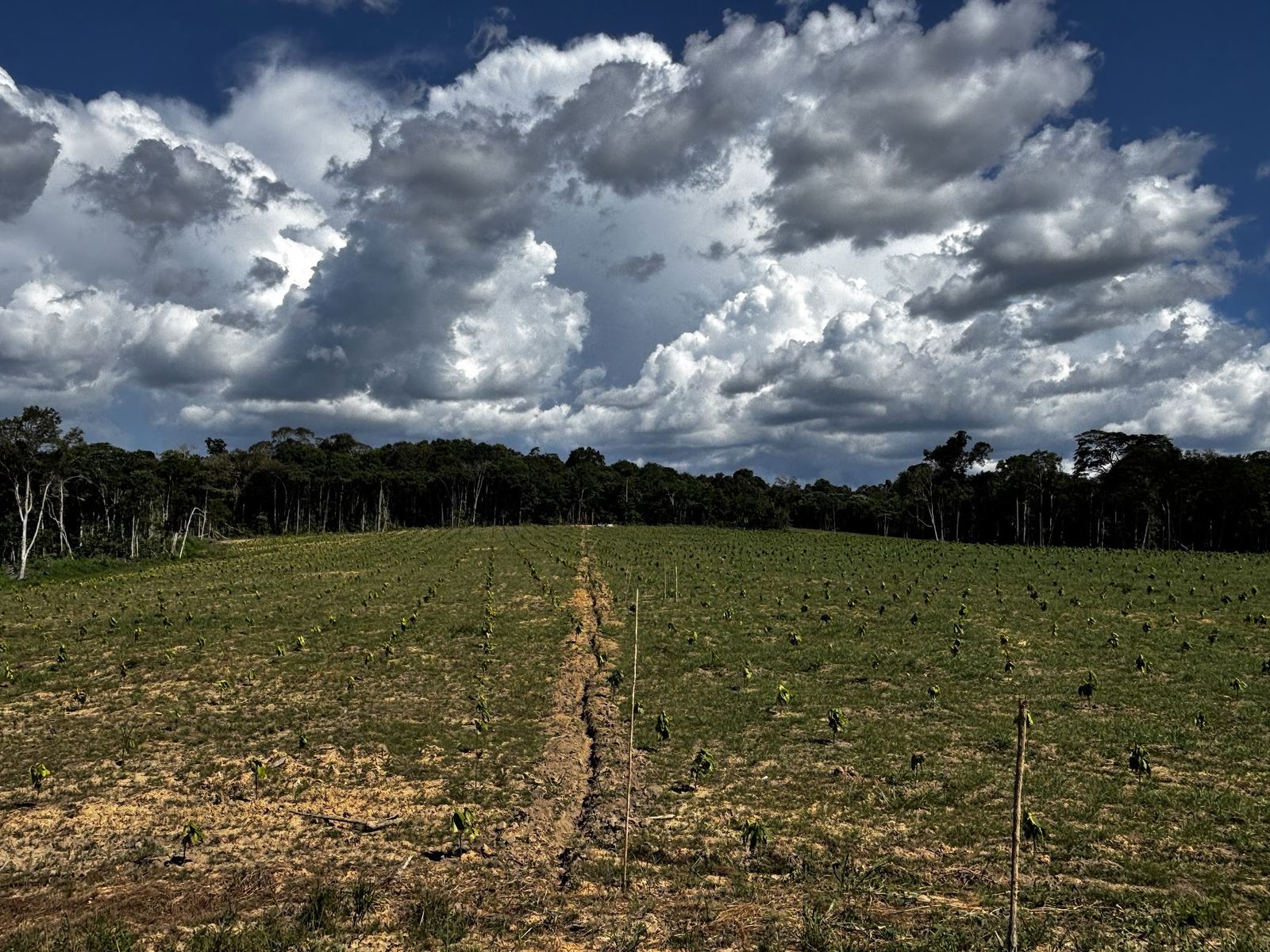
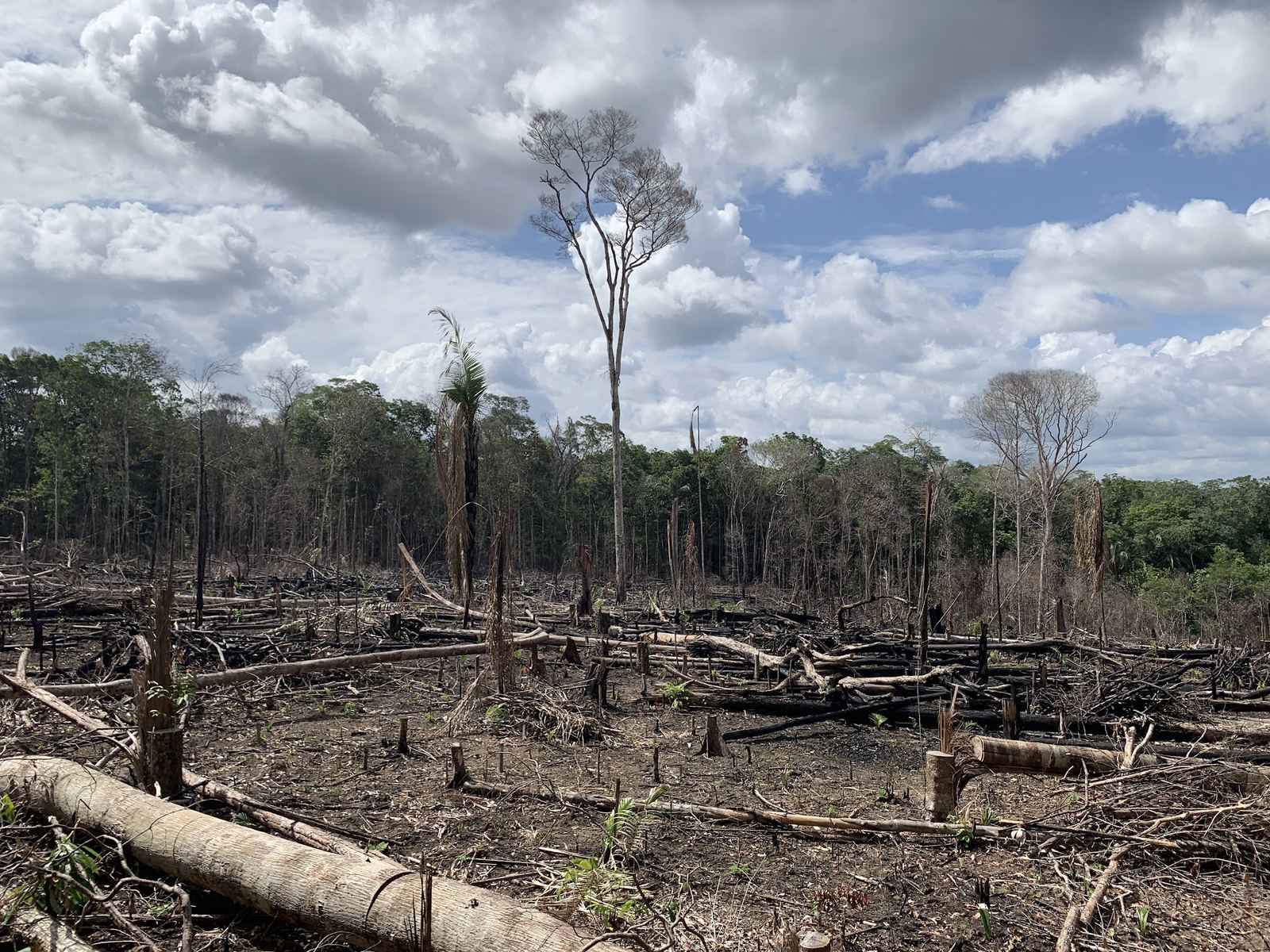
Across the Amazonas region, native forest is routinely cleared and burned to make way for pasture and short-cycle agriculture. Once cleared, land like this takes decades to recover on its own — and the economic pressure to clear the next plot never lets up. Rio Preto da Eva, just outside Manaus, is no exception.
CO2BRA exists because conservation only holds when it is also a viable livelihood: a working farm that earns more from standing, productive forest than from clearing it.
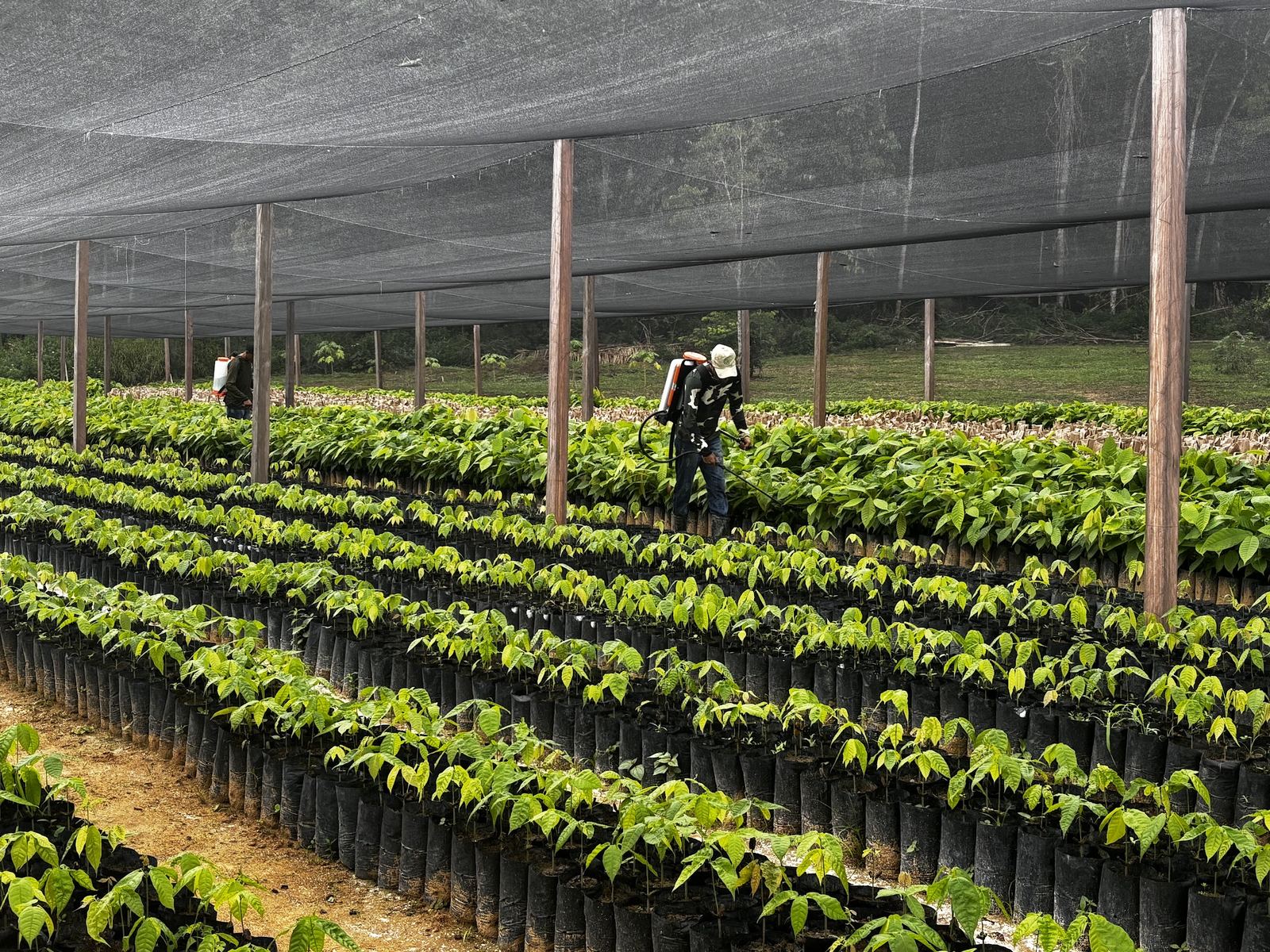
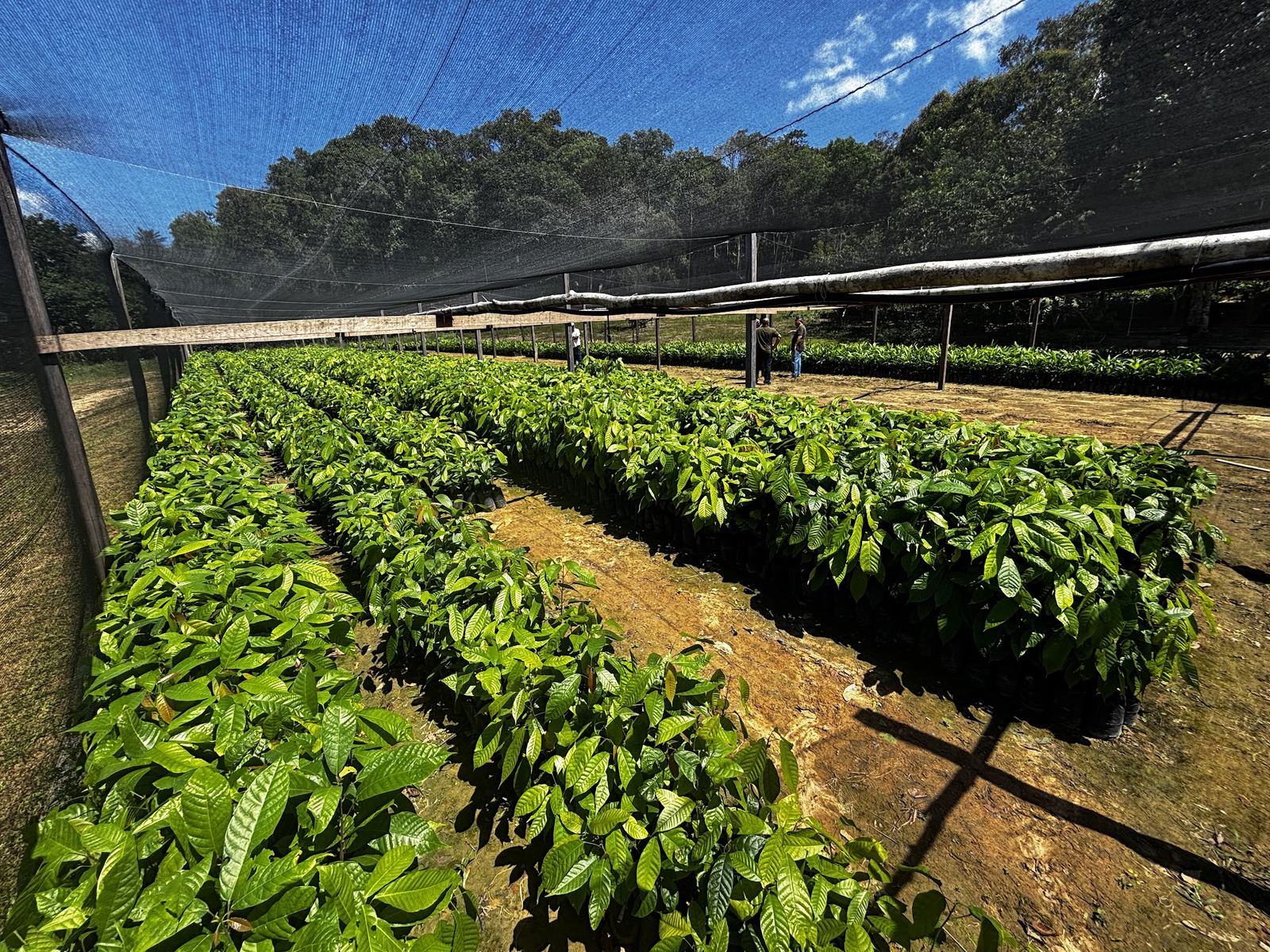
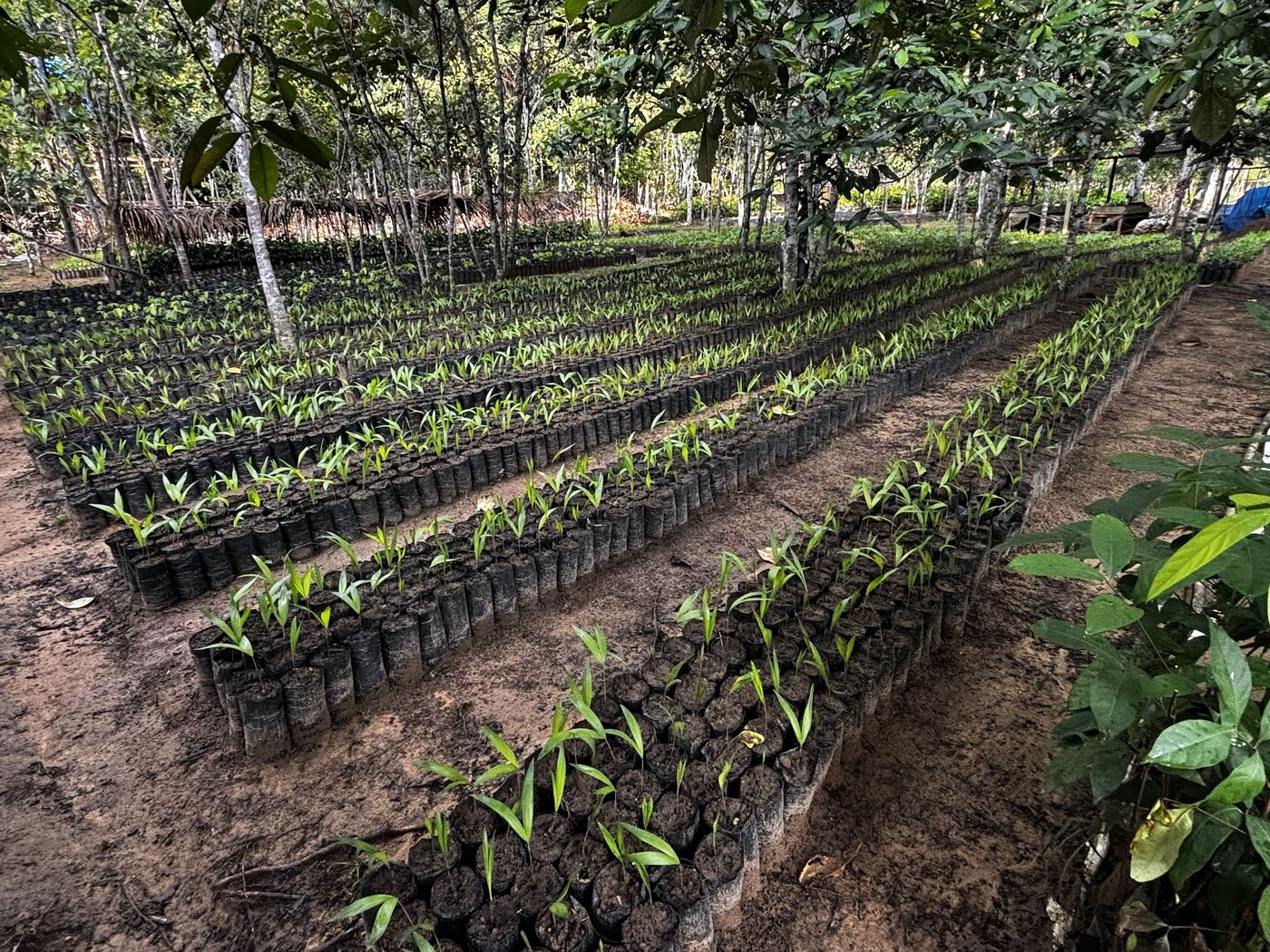
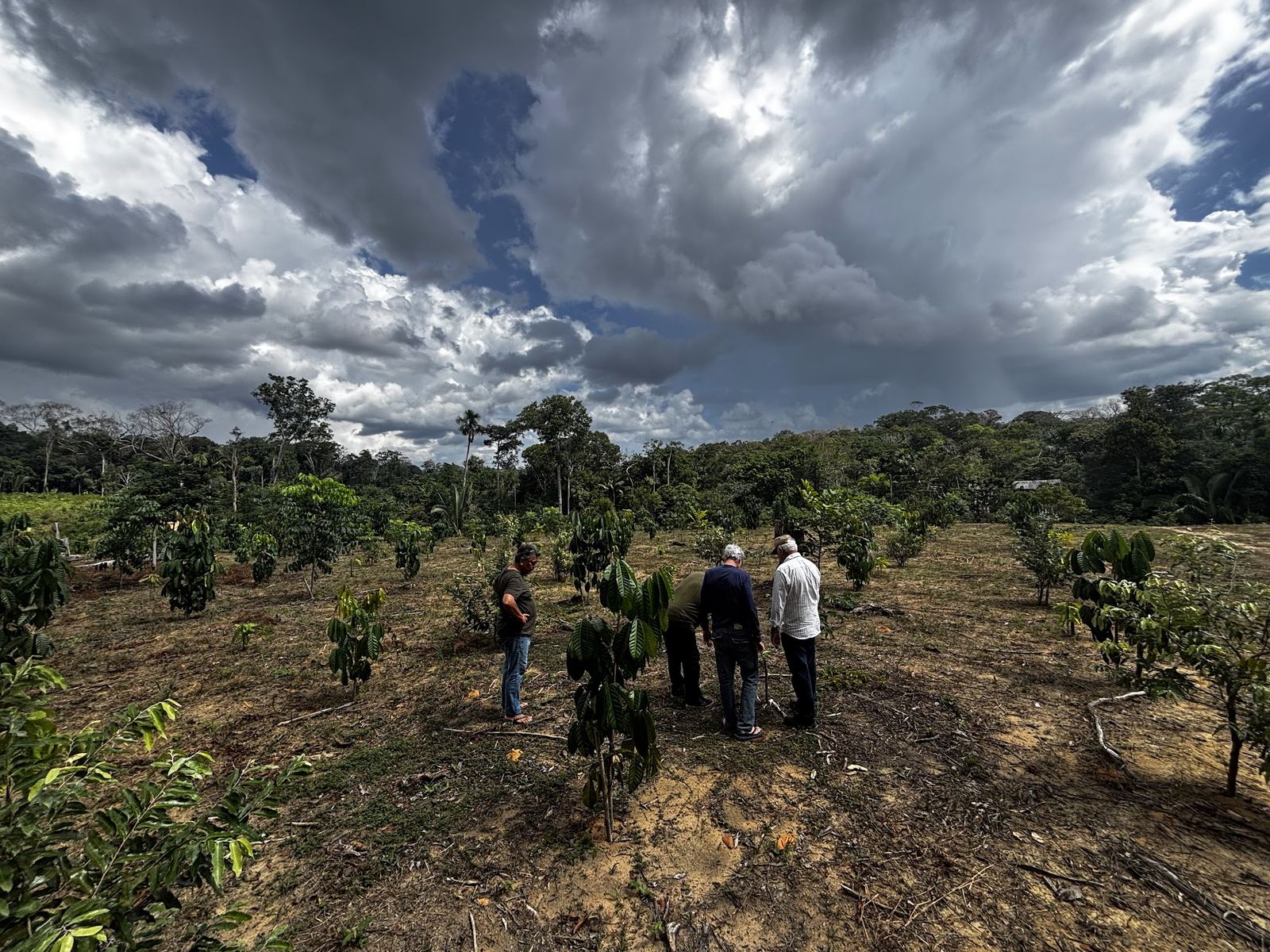
CO2BRA is built on an existing, already-operating agroforestry base at Fazenda Leiliano / Fazenda Banco Florestal — not a greenfield concept — set within a 3,500-hectare project area that also includes preserved standing forest. Native species are propagated in our own nursery, developed in technical partnership with Embrapa, then planted into dense, multi-species agroforestry blocks designed to restore canopy cover while producing real, sellable crops from year one.

Instead of a single-crop monoculture, CO2BRA intercrops complementary native species across the same land — spreading risk, diversifying income, and mimicking the structure of a natural Amazon forest far more closely than conventional agriculture does.
Fine-flavor cacao for the domestic and export chocolate market, grown under partial canopy shade.
A historically over-exploited Amazon species, reintroduced here for sustainable essential-oil production with Embrapa.
Oil-producing native tree used in cosmetics and pharmaceuticals, planted at high density across the project area.
A high-value native tonka-bean species for the perfumery and fragrance market, intercropped with cacao and andiroba.
A native companion crop to cacao, adding further income diversification and canopy density to the system.
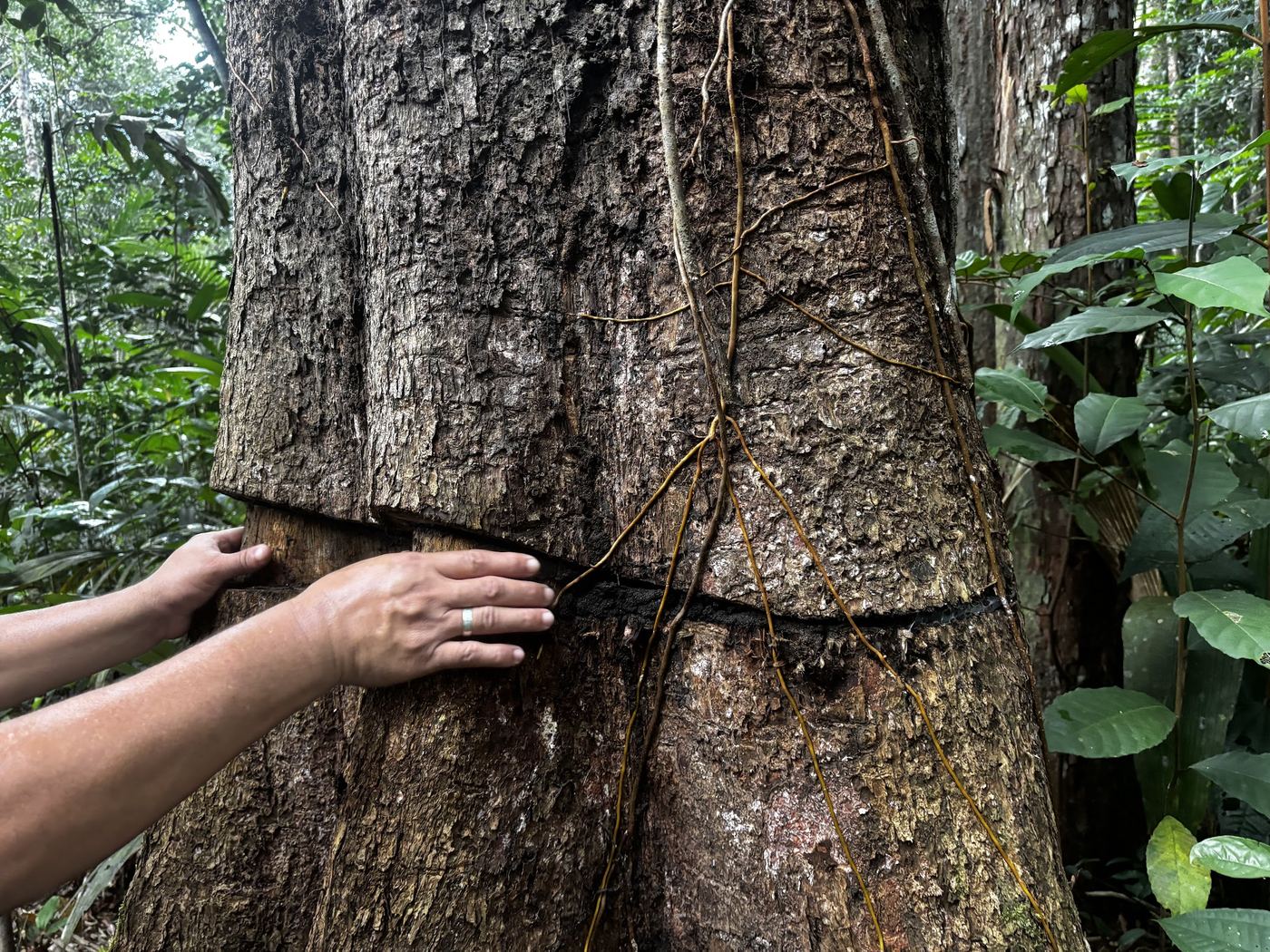
CO2BRA's carbon strategy follows an independent, internationally recognized certification pathway, covering both avoided-emissions and removal-based crediting, anchored by a long-term carbon offtake agreement with Oceanwide.
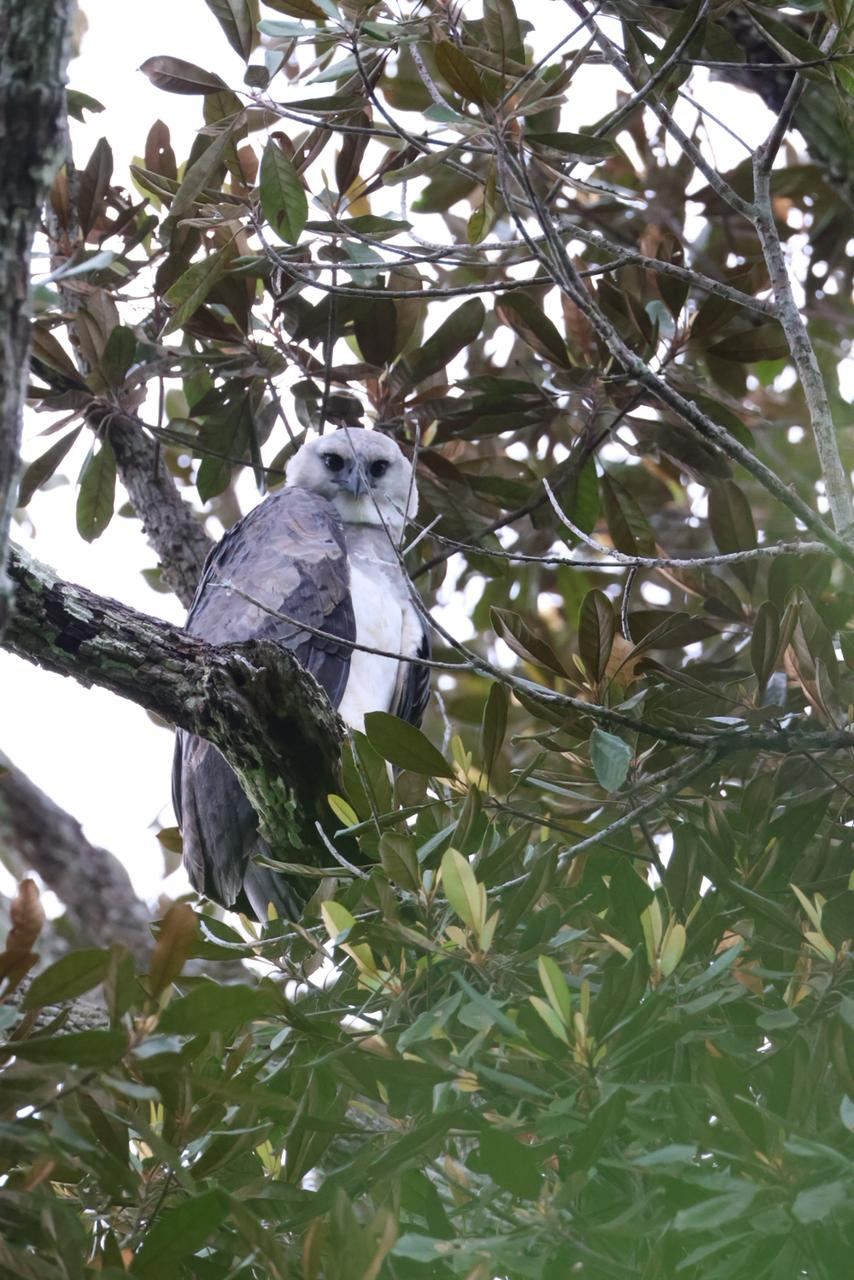
A resident harpy eagle — one of the Amazon's largest apex predators and a species highly sensitive to forest disturbance — was recently observed on the property: a strong, direct sign that the surrounding forest is healthy enough to support top-level wildlife.

"3,500 hectares of forest and farmland. A model for the Amazon tomorrow." Rio Preto da Eva, Amazonas Rio Preto da Eva, Amazonas
CO2BRA is developed by two sister companies based in Manaus, working in direct technical partnership with public research and extension institutions across Amazonas.
Whether you're a potential partner, investor, funding consultant or researcher — we'd like to hear from you.